On this page
01 / 05
What is acquired brain injury?
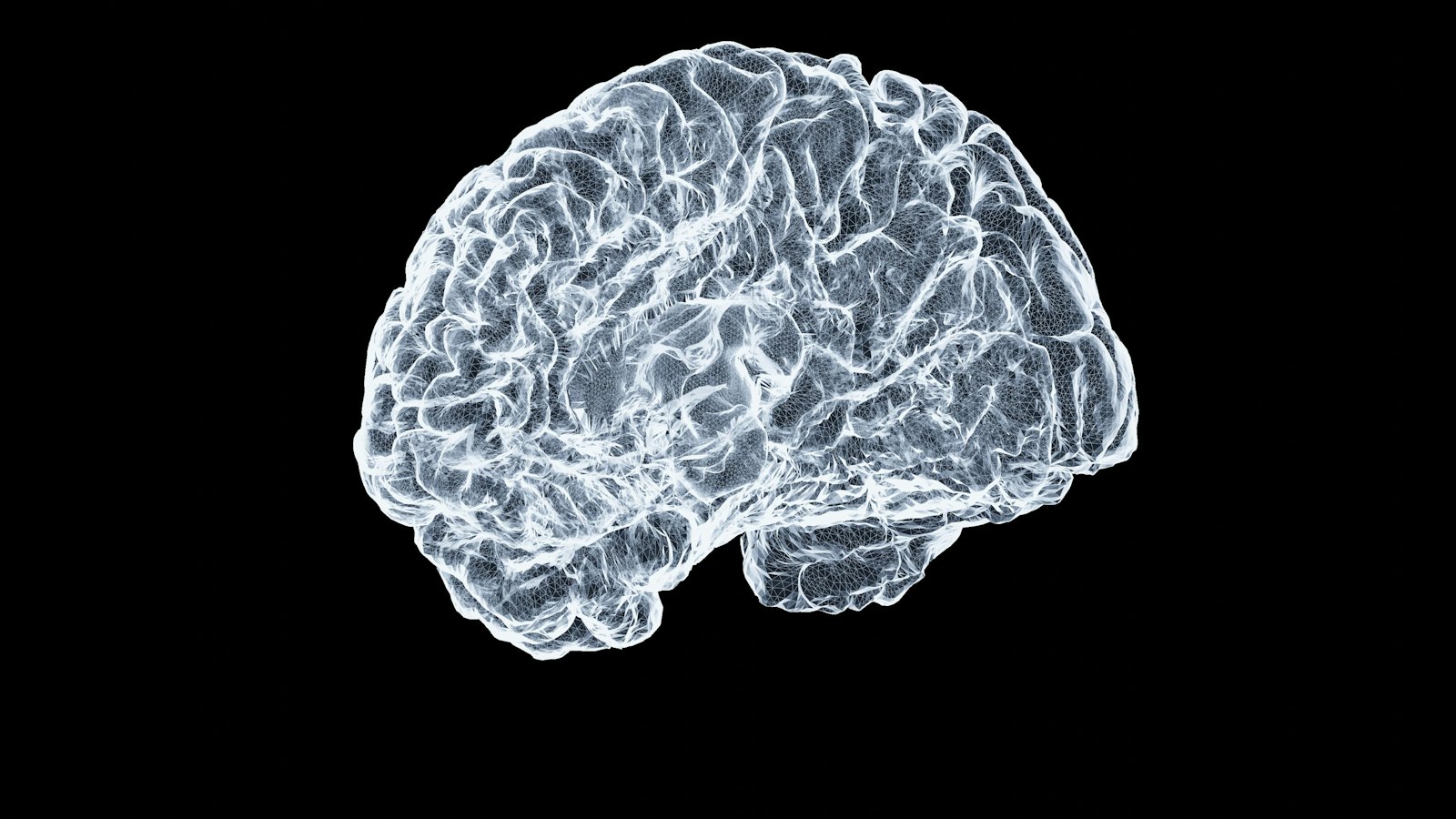
Acquired brain injury (ABI) is any damage to the brain sustained after birth, from any cause. The category is broad and covers:
Not every ABI gives rise to a compensation claim. The claim depends on whether another party's negligence, whether a healthcare provider, employer, property owner, or another person, caused or contributed to the injury. Our team can assess your specific circumstances.
02 / 05
When does an ABI give rise to a compensation claim?
A compensation claim is available where another party owed you a duty of care, breached that duty, and that breach caused your ABI. The way this plays out depends on the cause of the injury:
Medical negligence and ABI
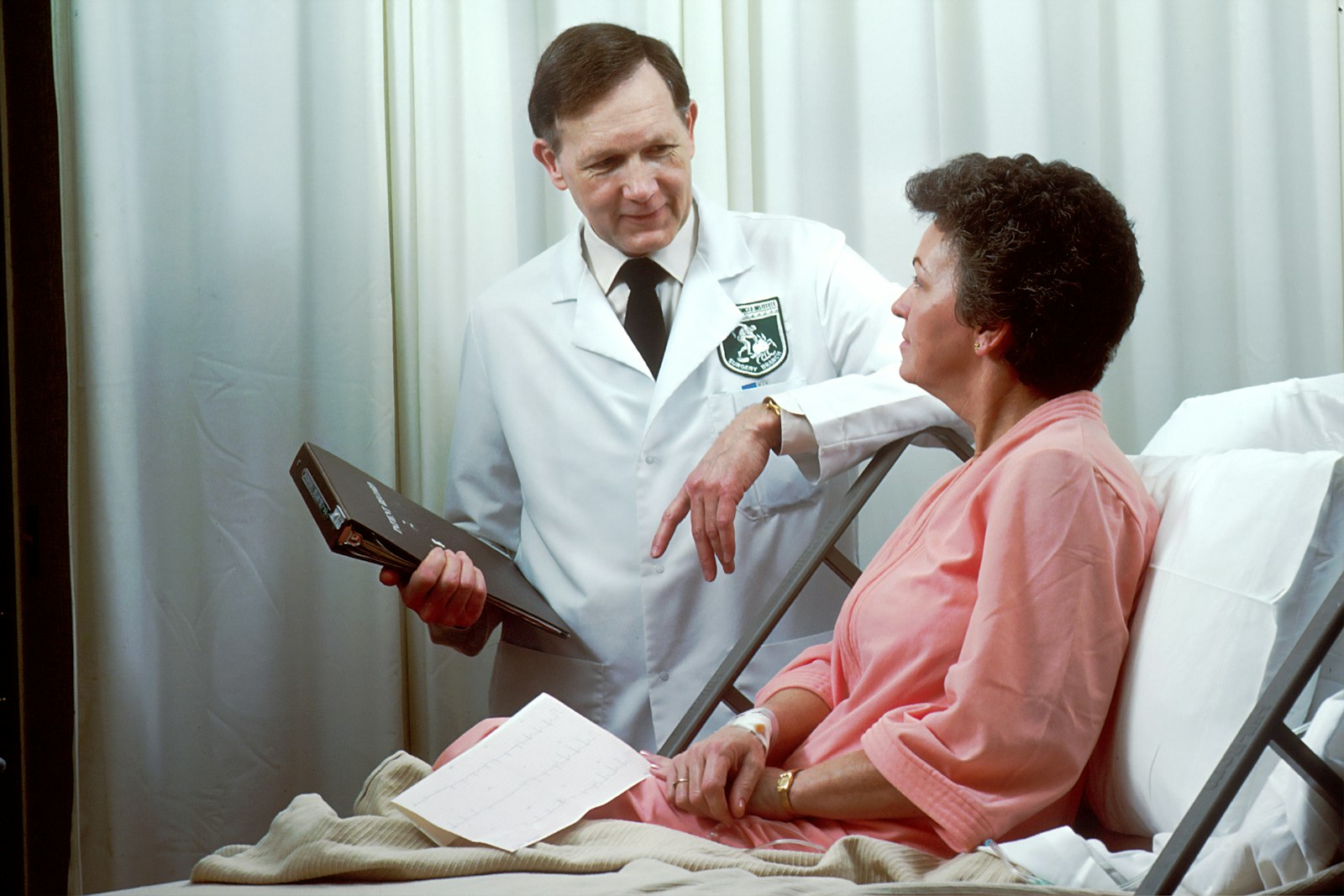
Healthcare providers owe their patients a duty to meet the standard of a competent practitioner in their field. Where a failure to meet that standard causes or contributes to an ABI, a medical negligence claim may be available. Common situations include:
- Delayed diagnosis or treatment of stroke, resulting in a larger area of brain damage than would have occurred with timely care
- Anaesthesia errors during surgery causing oxygen deprivation to the brain
- Surgical complications that would not have occurred in the hands of a competent surgeon
- Failure to diagnose or promptly treat meningitis or encephalitis
- Medication errors leading to toxic effects on the brain
Medical negligence claims are complex and require expert medical evidence. Our team works with specialist medical experts to assess causation and establish the standard of care that should have been applied.
Hypoxic and anoxic ABI from non-medical causes
Oxygen deprivation can arise outside healthcare settings. Near-drowning incidents in an inadequately supervised pool, workplace oxygen-deprivation incidents, and carbon monoxide poisoning can all cause hypoxic or anoxic brain injury. Where the incident arose from negligence by a facility, employer, or other party, a compensation claim may be available.
Workplace ABI
An ABI caused by a workplace incident is compensable under workers' compensation regardless of fault. Where employer negligence contributed to the incident, a common law damages claim may also be available. Brain injuries caused by toxic chemical exposure in the workplace are also compensable.
03 / 05
How ABI compensation is assessed
ABI compensation in Australia is calculated on the individual circumstances of each claimant. The same heads of damage that apply to traumatic brain injury claims apply to ABI claims: past and future medical expenses, lost income, future loss of earning capacity, superannuation, non-economic loss, care and assistance, home and vehicle modifications, and travel costs.
Find out if your ABI gives rise to a compensation claim.
04 / 05
ABI and the National Disability Insurance Scheme (NDIS)
Many Australians living with ABI access support through the NDIS. Compensation received through a personal injury claim may affect your NDIS funding in certain circumstances. This is a complex area of law and we can advise you on the interaction between a compensation claim and any existing or anticipated NDIS supports.

05 / 05
Time limits for ABI compensation claims
ABI compensation claims are subject to the same general time limits as other personal injury claims. As a general guide, most common law claims must be commenced within three years of the date of the ABI, or three years from when you knew or ought reasonably to have known the injury was caused by the negligence of another party.
Medical negligence cases can involve complex questions about when time begins to run, particularly where the connection between a healthcare provider's failure and the resulting brain injury only became apparent later. Seek legal advice as soon as you suspect a link between treatment and your ABI.
Time limits for ABI claims can be strict and may run from an earlier date than you expect.