
On this page
01 / 06
What is a traumatic brain injury?
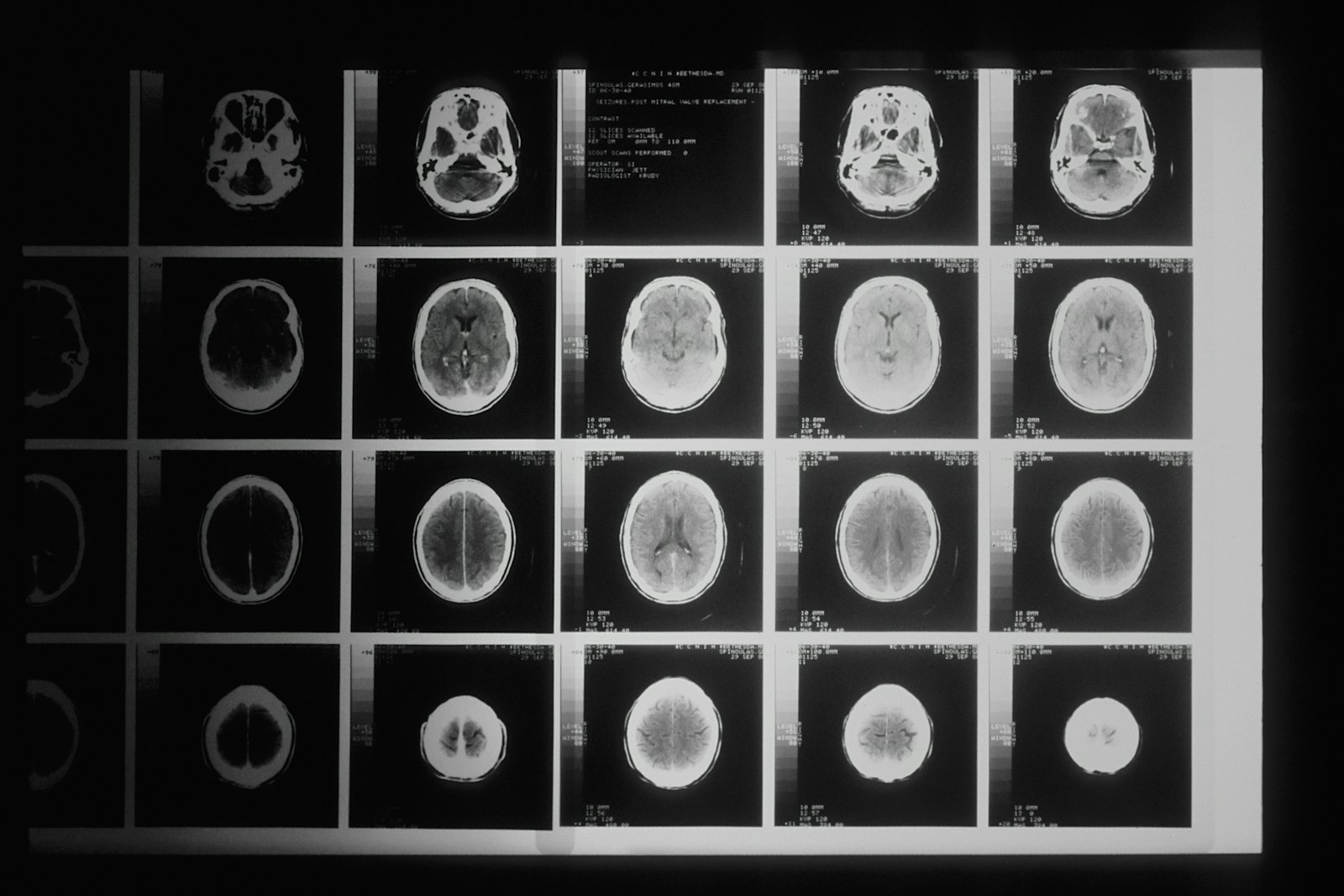
Traumatic brain injury occurs when an external force causes damage to the brain. The force can be direct, such as a blow to the head, or indirect, such as the violent movement of the head in a car collision. The brain does not need to be struck directly for a TBI to occur.
TBIs are classified by severity:
Even mild TBI can have lasting consequences. Symptoms that persist beyond the typical recovery window of a few weeks, including headaches, cognitive difficulties, mood changes, and sleep disturbance, are serious and should be assessed by a medical specialist.
02 / 06
Common causes of traumatic brain injury in compensation claims
A TBI compensation claim can arise wherever another party's negligence caused or contributed to the injury. The most common situations include:
- Motor vehicle accidents: car, truck, motorcycle, bicycle, and pedestrian collisions. The forces generated in even low-speed collisions can cause TBI.
- Workplace incidents: falls from height, struck-by incidents, explosions, vehicle collisions on worksites, and crush injuries. Head injuries are among the most serious category of workplace injury.
- Slips, trips, and falls in public places or on another person's property where the occupier failed their duty of care.
- Assaults and intentional acts causing a blow to the head.
- Sporting injuries where the organising body, club, equipment manufacturer, or another party was negligent.

03 / 06
Types of TBI compensation claims
Motor vehicle TBI claims
Motor vehicle accidents are the single largest cause of TBI compensation claims in Australia. Each state operates its own compulsory third party (CTP) insurance scheme. If your TBI was caused by a motor vehicle accident, your claim may start within the relevant CTP scheme before extending to a common law damages claim where the scheme threshold is met.
We handle motor vehicle TBI claims in all Australian states and territories. The scheme and the process differ by state. See our dedicated motor vehicle brain injury claim page for scheme-specific information.
Workplace TBI claims
If you suffered a TBI at work, you are likely entitled to workers' compensation benefits under the relevant state WorkCover or workers' compensation scheme. These benefits cover medical expenses and lost wages regardless of fault. Where your employer or another party was negligent, a common law damages claim for pain and suffering, loss of future earning capacity, and other losses may also be available.
Workplace TBI claims are complex because they can run across two parallel legal pathways. Our team can advise on both and ensure you are not leaving any entitlement unclaimed.
Public liability TBI claims
If your TBI was caused by a slip, trip, fall, or other incident on someone else's property or in a public place, a public liability claim may be available. The claim requires establishing that the occupier or owner owed you a duty of care and that their negligence caused your injury.
04 / 06
Proving liability for a traumatic brain injury claim
To pursue a TBI compensation claim, your lawyer needs to establish:
- 1
That another party owed you a duty of care
- 2
That they breached that duty, through negligent action or inaction
- 3
That their breach caused your TBI
- 4
That your TBI caused you loss, whether physical, financial, or both
Evidence used to establish these elements includes medical records and specialist reports, accident or incident reports, witness statements, surveillance or dashcam footage, workplace safety records, and expert opinion in complex cases. Our team coordinates the collection of all relevant evidence from the outset.
05 / 06
What compensation may be available for a TBI?
TBI compensation in Australia is assessed on the individual circumstances of the claimant, not on a fixed schedule. Elements that may be claimed include:
Find out what compensation you may be entitled to.
06 / 06
TBI claim time limits
Strict time limits apply to TBI claims. As a general guide, most common law personal injury claims must be commenced within three years of the date of the injury. However, shorter windows apply to notifications and preliminary steps in many state schemes.
Time limits may be extended in limited circumstances, such as for claimants who were under 18 at the time of injury, or where the injury was not immediately diagnosable. Courts have discretion to extend time, but there is no guarantee. Seek legal advice immediately if you believe your time may be running out.
Time limits are strict.