
On this page
- 01When does a brain injury constitute medical negligence?
- 02Common causes of brain injuries in medical negligence claims
- 03The legal framework for medical negligence claims in Australia
- 04Expert evidence in medical negligence brain injury claims
- 05Birth injury brain injury claims
- 06What compensation may be available?
- 07Time limits for medical negligence brain injury claims
01 / 07
When does a brain injury constitute medical negligence?
Medical negligence occurs when a healthcare provider (a doctor, surgeon, anaesthetist, hospital, midwife, or other practitioner) fails to deliver care that meets the standard expected of a competent professional in their field, and that failure causes harm.
Not every poor medical outcome is the result of negligence. Medicine involves inherent risk, and a bad result does not automatically mean a standard of care was breached. A medical negligence claim requires establishing both that the standard was not met and that the failure caused the brain injury, or worsened an injury that would have been less severe with appropriate care.
02 / 07
Common causes of brain injuries in medical negligence claims
03 / 07
The legal framework for medical negligence claims in Australia
Medical negligence claims in Australia are governed by civil liability legislation in each state and territory. The key elements are:
- 1
Duty of care
A healthcare provider owes a duty of care to their patient. This is generally well-established once a treating relationship exists.
- 2
Standard of care
The standard is that of a reasonable practitioner in the same field with the same level of training and experience. Expert medical opinion is required to establish what that standard was and whether it was met.
- 3
Breach
The provider failed to meet the standard. For diagnosis delays, the question is whether a competent practitioner would have made the diagnosis sooner. For surgical errors, whether a competent surgeon would have avoided the complication.
- 4
Causation
The breach caused the brain injury or caused the injury to be worse than it would otherwise have been. Causation in medical negligence cases is often the most contested element.
- 5
Loss
The patient suffered loss as a result, whether physical, financial, or both.
Under the Civil Liability Acts in force across most Australian jurisdictions, the peer professional opinion defence allows a practitioner to argue that their conduct was accepted practice within a significant body of medical opinion. This makes expert evidence central to medical negligence claims.
04 / 07
Expert evidence in medical negligence brain injury claims
Medical negligence brain injury claims require substantial expert evidence. The standard of care must be established by an expert practitioner in the same field. Causation must be established through expert medical evidence demonstrating the link between the failure and the brain injury, or between the failure and the worsened outcome.
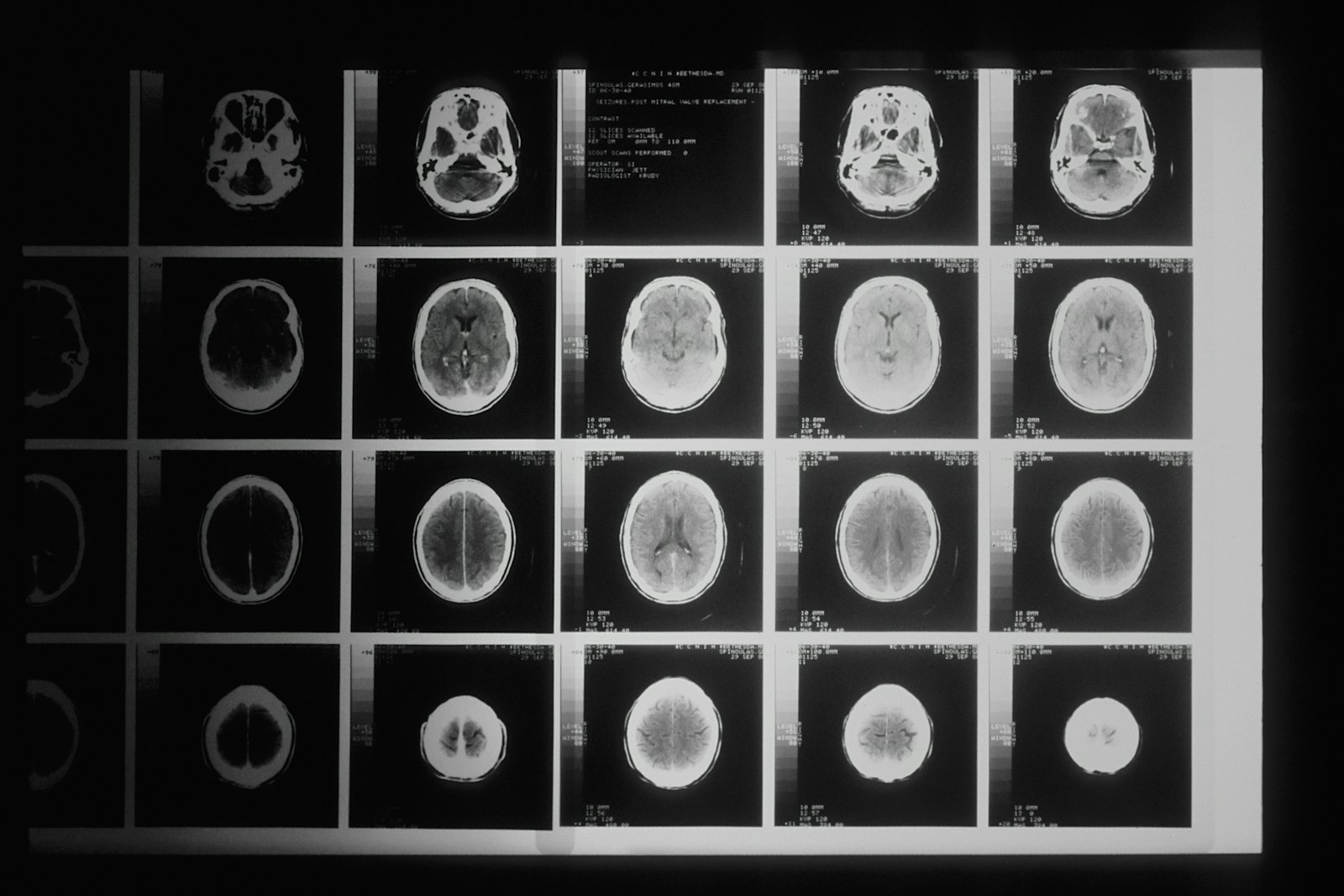
In brain injury cases, the expert team typically includes:
- A neurologist or neurosurgeon to address the nature and cause of the brain injury
- An expert in the same specialty as the defendant (for example, an independent anaesthetist for an anaesthesia error claim)
- A neuropsychologist to assess the cognitive impact of the brain injury
- A rehabilitation specialist and vocational expert to quantify future losses
Assembling and coordinating this evidence is a significant part of the legal work in a medical negligence claim. Our team manages this process from the outset.
05 / 07
Birth injury brain injury claims
Brain injuries suffered by a newborn during labour and delivery are among the most serious consequences of medical negligence. Hypoxic-ischaemic encephalopathy (HIE), caused by oxygen deprivation around the time of birth, can result in cerebral palsy, intellectual disability, epilepsy, and other permanent conditions.
Birth injury claims require expert obstetric and neonatal evidence to establish whether the standard of care was met, whether the signs of foetal distress were recognised and addressed in time, and what outcome would have resulted with appropriate care.

Claims on behalf of children who have suffered birth injuries may be brought by a parent or guardian. Special limitation period rules apply, and the time limit does not begin to run against the child until they reach 18 years of age in most jurisdictions.
06 / 07
What compensation may be available?
Medical negligence brain injury claims can result in substantial compensation, particularly where the injury is severe and causes permanent disability. Heads of compensation include past and future medical expenses, lost income, future loss of earning capacity, superannuation, non-economic loss, care and assistance, home and vehicle modifications, and loss of commercial value of household services.
07 / 07
Time limits for medical negligence brain injury claims
Medical negligence claims are subject to limitation periods that vary by state. In most jurisdictions, the general period is three years from the date of the negligent act or omission, or from the date you knew or ought reasonably to have known that the negligence caused your injury.
For birth injuries, special rules apply because the injured person is a child. In most Australian states, the limitation period does not begin to run until the child turns 18. Practical considerations, including the preservation of evidence and the health of witnesses, make it advisable to seek legal advice as early as possible even in birth injury claims.
Some states also impose discovery provisions: the limitation period may run from the date you first had knowledge that you had a claim, not just from the date of the medical event. If you suspect medical negligence caused your brain injury, seek advice immediately.
Time limits for medical negligence claims are strict.