On this page
01 / 06
What is a public liability brain injury claim?
A public liability claim is a personal injury claim against an individual, business, or organisation whose negligence caused your injury. In the context of brain injuries, public liability claims most commonly arise where:
- A slip, trip, or fall in a shopping centre, supermarket, restaurant, pub, or other commercial premises caused a head impact
- A fall on a council footpath, parkland, or public facility caused a brain injury
- An assault or violent incident in a licensed venue where the operator failed to provide adequate security
- A fall from equipment, playground apparatus, or a recreational facility that was unsafe or poorly maintained
- An incident in a private home or rental property where the owner or occupier failed to maintain safe conditions
- A sporting or recreational activity where the organiser, venue, or equipment manufacturer was negligent
The common thread is that someone owed you a duty of care and failed to meet it. That failure caused your brain injury.
02 / 06
What you need to prove
Four elements must be established to succeed in a public liability claim:
Contributory negligence may reduce your compensation if you played a role in your own injury, but it does not automatically defeat a claim. Even where you were partly at fault, you may still recover compensation proportionate to the other party's share of responsibility.
03 / 06
Common public liability brain injury scenarios
Slip, trip, and fall injuries
Falls are the leading cause of brain injuries in Australia, accounting for 39% of all brain injury cases according to Synapse's 2025 statistics. Many of these falls occur on premises where the occupier failed to maintain safe conditions. Wet floors without warning signs, uneven or broken flooring, poorly lit stairwells, and loose carpet are common hazards.
To succeed in a public liability slip and fall brain injury claim, your legal team needs to establish that the occupier knew or should have known about the hazard and failed to address it within a reasonable time. Evidence such as incident reports, CCTV footage, witness statements, and maintenance records is critical.
Assault and inadequate security
Owners and operators of licensed venues, entertainment precincts, and other public places have a duty to take reasonable steps to protect patrons from foreseeable harm, including harm caused by other patrons. Where a brain injury results from an assault in circumstances where adequate security measures would have prevented it, a public liability claim may be available against the venue operator.
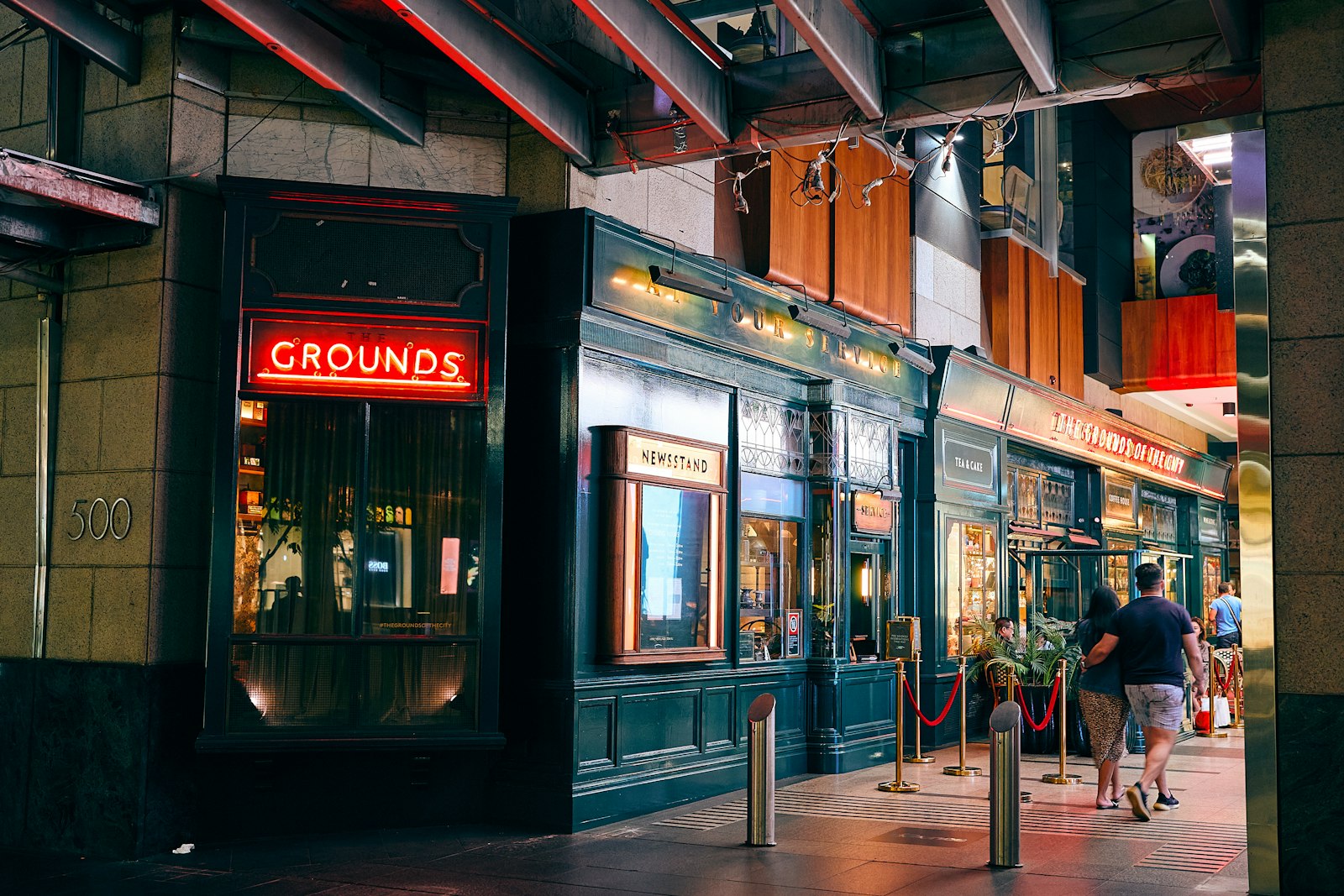
These claims require careful analysis of the foreseeability of the assault, the security measures that were in place, and whether a competent operator in that position would have done more.
Recreational and sporting incidents
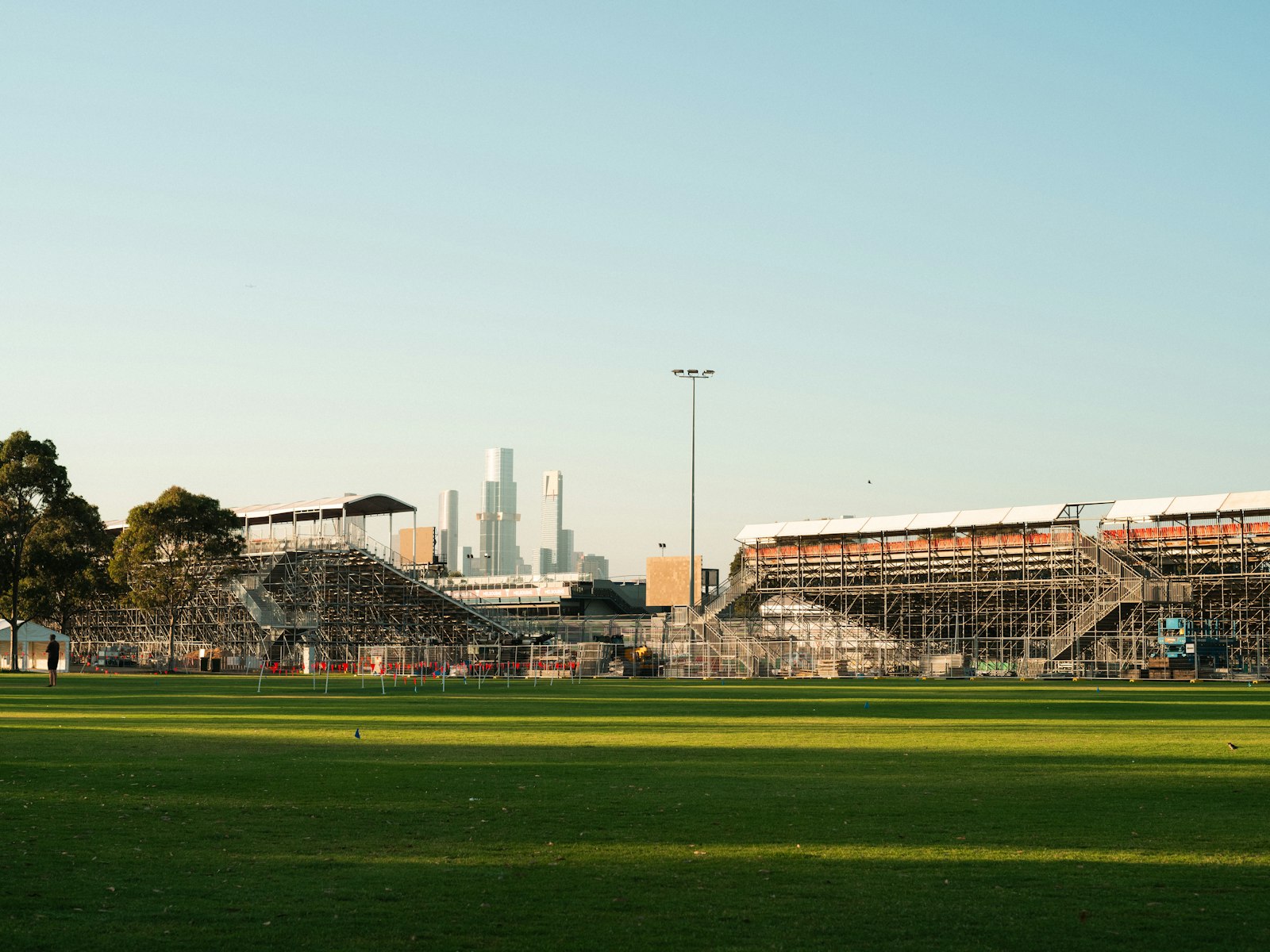
Brain injuries in sporting and recreational settings give rise to public liability claims where the organiser, venue, equipment provider, or another participant was negligent. Examples include unsafe playing surfaces, inadequate instruction or supervision for inherently risky activities, defective equipment, and failure to follow concussion protocols.
These claims can be complex because participants in many sporting activities accept some level of risk as part of the activity. The question is whether the negligence that caused the injury went beyond those ordinary risks.
Council and public space incidents
Local councils are responsible for maintaining public footpaths, parks, roads, and other community infrastructure. Where a defect in a council-managed footpath, park, or public facility causes a brain injury, a public liability claim may be available against the council. Claims against government and semi-government bodies are subject to specific procedural requirements in some states. Early legal advice is particularly important in these claims.
04 / 06
What compensation may be available?
Public liability brain injury compensation is assessed on the same principles as other personal injury claims: past and future medical expenses, lost income, future loss of earning capacity, superannuation, non-economic loss, care and assistance, home and vehicle modifications, and travel costs.
Find out whether your public liability brain injury gives rise to a compensation claim.
05 / 06
Time limits
Public liability claims in Australia are generally subject to a three-year limitation period from the date of the injury. However, the limitation period and its starting point can vary depending on when you knew or ought reasonably to have known that your injury was caused by another party's negligence. Claims against government bodies may have additional notice requirements and shorter preliminary timeframes. Seek legal advice as soon as possible after the incident, and certainly within the first year.
Do not wait.
06 / 06
Gathering evidence
Gathering evidence quickly after the incident gives your claim the strongest foundation. Key evidence includes:
- The incident or accident report lodged at the time of the injury
- CCTV footage from the premises. Request preservation immediately; footage is often deleted on short cycles.
- Photographs of the hazard or location taken as soon after the incident as possible
- Names and contact details of witnesses
- Medical records from the emergency department and all subsequent treating practitioners
- Evidence of the property's condition: prior complaints, maintenance records, inspection logs if obtainable
- Documentation of lost income and out-of-pocket expenses from the date of the injury
Our team can advise on what to preserve and assist with obtaining records, including formal preservation notices for CCTV and documentation requests.